How to Choose Blade Quantity on a Multiblade Block Cutter (Output vs Stability vs Cost)
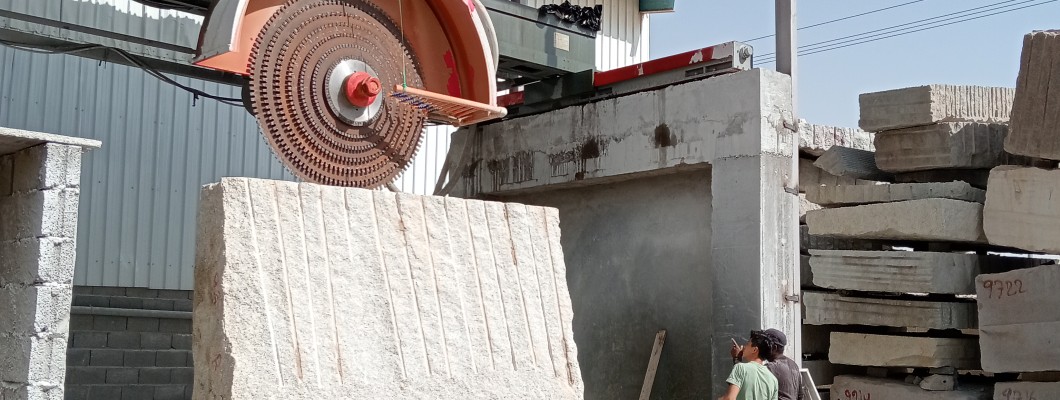
On a multiblade block cutter, blade quantity is one of the most important decisions. More blades can increase throughput, but the best setup is not always “maximum blades.” The right choice is a balance between output, stability, and total cost.
In this guide, we explain how blade count affects daily production, slab thickness consistency, vibration risk, power demand, and blade consumption—then give you a simple checklist to choose a practical configuration.
1) What Blade Quantity Really Changes
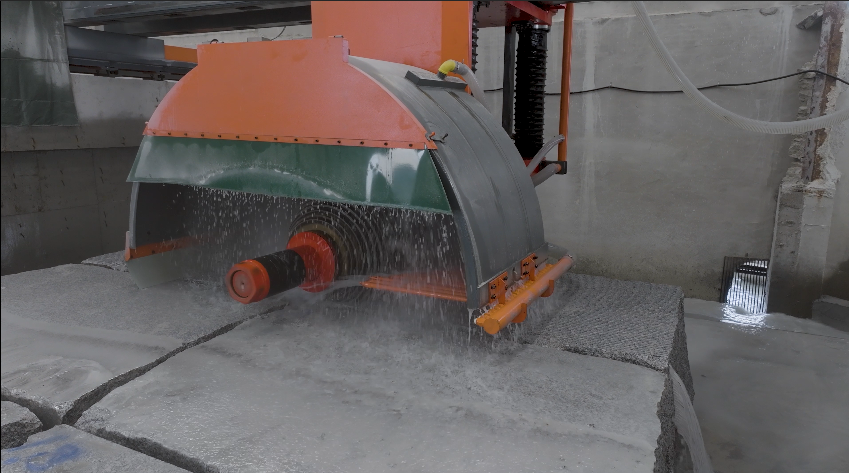
Blade quantity (how many blades are mounted on the spindle) determines how many cuts can be made in one cutting cycle. In general, more blades can produce more slabs per pass, but only if the system supports stable cutting.
- Potential output: more blades can increase slabs per cycle and reduce time per square meter.
- Load & heat: more blades increase cutting resistance, spindle load, and heat generation.
- Stability: the machine structure, spindle rigidity, and guide rails must control vibration.
- Quality risk: instability can cause taper, thickness variation, chipping, and poor surface.
- Operating cost: blade wear, energy consumption, and maintenance requirements can change.
2) Output: When More Blades Actually Increase Productivity
The biggest advantage of a multiblade block cutter is higher throughput. However, output improves only when your cutting system has enough margin in: power, rigidity, cooling, and feeding stability.
Output increases when:
- Your main motor and spindle have enough torque for the stone hardness (especially granite).
- Cooling water reaches every blade consistently (no clogged nozzles, stable pressure).
- Feeding and lifting remain smooth under load (no vibration spikes or speed fluctuations).
- Blade segments are suitable for the stone type and working parameters.
Output does NOT increase when:
- Operators are forced to slow down feed speed to avoid vibration or overheating.
- Slab thickness quality drops, increasing downstream rework or rejection.
- Blade life falls sharply, causing frequent stoppages and higher consumable cost.
3) Stability: Why “Maximum Blades” Can Reduce Slab Quality
Blade quantity amplifies vibration risk. Each blade adds cutting force and creates additional resistance. If the machine is not designed or maintained to handle it, you may see:
- Thickness tolerance issues: uneven thickness, taper, or waviness.
- Chipping: especially on hard granite or brittle materials.
- Higher blade wear: abnormal wear patterns, segment damage, or overheating.
- Lower efficiency: more downtime for adjustment, maintenance, or blade replacement.
Stability is influenced by the bridge structure, guide rails, spindle design, foundation quality, and correct cutting parameters. A slightly lower blade count with stable feed often delivers higher real daily output than an overloaded “max blade” setup.
4) Cost: Blade Quantity Impacts Consumables, Energy, and Maintenance
Buyers often focus on purchase price, but blade quantity affects long-term operating cost:
Consumables
- More blades usually mean higher initial blade investment.
- Blade wear depends on stone hardness, parameters, cooling, and vibration control.
- Unstable cutting accelerates wear and increases replacement frequency.
Energy
- More blades generally increase cutting resistance and power demand.
- If cutting is overloaded, efficiency drops and energy per square meter increases.
Maintenance
- Higher load can increase maintenance on spindle bearings, guide systems, and drive parts.
- Stable lubrication and correct alignment become more important with higher blade counts.
5) Practical Blade Quantity Selection: A Simple Decision Framework
Use the checklist below to choose a blade quantity that matches your real production conditions.
Step 1: Confirm your stone type and hardness
- Granite: typically requires higher stability margin and sufficient power.
- Marble / Limestone: easier cutting, often allows higher blade quantity under stable conditions.
- Mixed materials: choose a configuration that remains stable in the hardest material you process.
Step 2: Confirm your block size and slab thickness range
- Taller blocks and thicker slabs increase cutting demand.
- Thin slabs require better stability to prevent thickness variation and chipping.
Step 3: Check power and cooling margin
- If your stone is hard and your production target is high, ensure enough motor torque and stable water flow.
- Cooling and slurry removal must support multiple blades running continuously.
Step 4: Decide based on “real daily output,” not only maximum blades
- Choose the blade quantity that can run at a stable feed rate without quality issues.
- Stable thickness and lower downtime often produce better daily output than aggressive settings.
6) Common Mistakes (and How to Avoid Them)
- Buying maximum blade quantity without confirming power margin: results in slow cutting and overheating.
- Ignoring cooling and slurry system: causes unstable cutting, blade wear, and forced slow-down.
- Not considering foundation and alignment: leads to vibration and thickness tolerance problems.
- Using the same parameters for all stones: granite vs marble requires different approach.
- Focusing only on purchase price: operating cost and downtime usually matter more.
7) What Information to Share for an Accurate Recommendation
If you want a practical recommendation for blade quantity, prepare:
- Stone type(s) and hardness (granite/marble/others)
- Block size range and typical block height
- Target slab thickness and daily output goal
- Available power (voltage, frequency, main motor expectations)
- Workshop conditions: water supply and slurry handling
About Shuinan Machinery
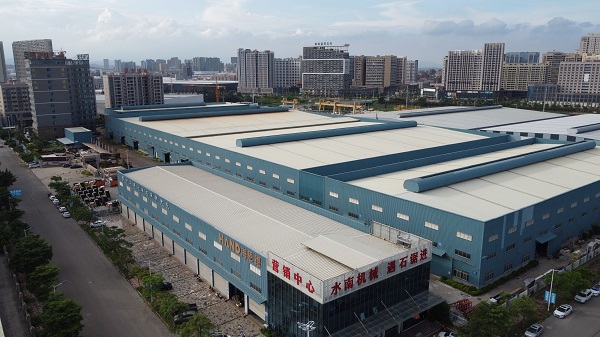
Shuinan Machinery provides stone block-to-slab cutting solutions, including multiblade bridge block cutters. We can help you select a blade quantity and configuration that matches your stone type, block size range, and production target, with practical guidance for stable cutting and long-term reliability.
Contact Us
Want a recommended blade quantity and an output estimate for your project? WhatsApp Shuinan Machinery: +86 19805955837
Related Products
Leave a Comment