
What Happens When Cutting Speed Is Too Fast in Stone Processing?
In stone processing, higher cutting speed is often associated with higher productivity. However, cutting too fast does not always mean better results. In fact, excessive cutting speed can lead to a range of problems that affect slab quality, tool life, and overall production efficiency.
Understanding what happens when cutting speed is too fast can help stone factories optimize their cutting process and avoid unnecessary losses.
1. Poor Slab Flatness and Surface Quality
One of the most common issues caused by excessive cutting speed is poor slab flatness. When the cutting speed exceeds what the blade and machine structure can handle, the blade may deflect or vibrate during cutting.
This often results in:
- Uneven slab thickness
- Wavy or rough slab surfaces
- Increased grinding and polishing loss
For granite and other hard stones, maintaining controlled cutting speed is essential to achieve consistent slab flatness.
2. Increased Blade Wear and Shorter Tool Life
Cutting too fast puts excessive stress on diamond blades. Instead of cutting efficiently, the blade is forced to remove too much material in a short time.
As a result:
- Diamond segments wear faster
- Blade overheating becomes more likely
- Blade replacement frequency increases
This directly raises operating costs and reduces overall production efficiency.
3. Higher Risk of Cracks and Material Waste
When cutting speed is too high, cutting forces increase sharply. For stones with natural cracks or internal stress, this can lead to sudden fractures or edge breakage.
This means:
- More rejected slabs
- Higher material waste
- Lower yield from each stone block
In large-scale stone factories, even small increases in waste can lead to significant cost losses over time.
4. Increased Machine Vibration and Instability
Excessive cutting speed can amplify machine vibration, especially if the machine structure is not rigid enough.
Long-term vibration may cause:
- Reduced cutting accuracy
- Loosening of mechanical components
- Higher maintenance requirements
This is why stable machine structure and proper speed control are critical for continuous stone cutting operations.
5. Lower Overall Productivity in the Long Run
Although faster cutting may seem productive at first, the long-term result is often the opposite. More blade changes, more slab rework, and more downtime reduce real daily output.
In many cases, a slightly slower but stable cutting speed delivers:
- Better slab quality
- Lower tool consumption
- More consistent daily production
Finding the Right Cutting Speed
The ideal cutting speed depends on several factors, including stone type, blade quality, cooling conditions, and machine stability. Rather than pushing speed to the limit, stone factories should focus on balanced cutting parameters.
Machines with strong structure, stable bridges, and reliable control systems allow operators to maintain optimal cutting speed without sacrificing quality.
About Shuinan Machinery
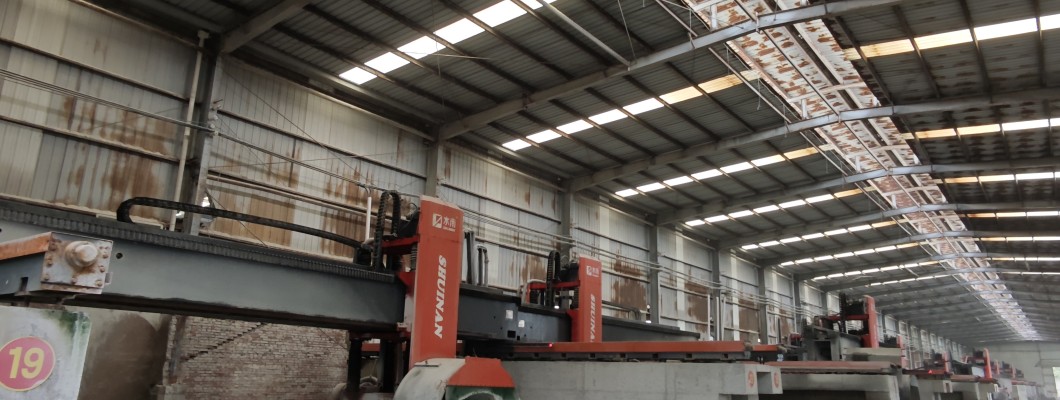
Shuinan Machinery specializes in the manufacturing of stone cutting machines, including multi-blade bridge block cutting machines for granite and marble processing.
Our machines are designed with a focus on structural stability, smooth cutting performance, and consistent slab flatness, helping stone factories achieve reliable output under real production conditions.
Shuinan Machinery is based in Shuitou, Quanzhou, Fujian, China, one of the most important stone industry centers in the world.
If you would like to learn more about optimizing cutting parameters or upgrading your stone cutting equipment, feel free to contact us.
Contact us on WhatsApp:
+86 198 0595 5837
Website:
www.shuinanmachinery.com
Leave a Comment